
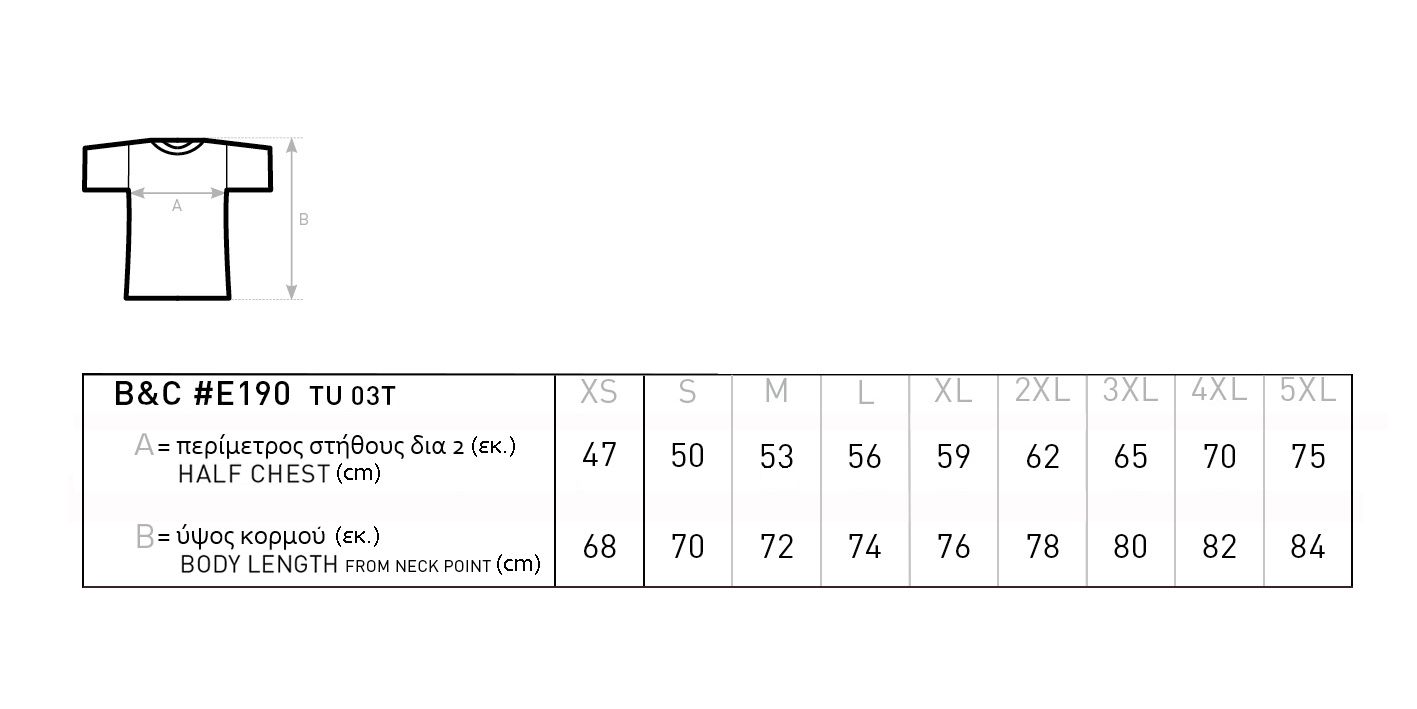
Composition: pre-shrunk, ring-spun 100% cotton
Fabric: light weight 145 g/m2 (B&C #E150 T-Shirt/kids)
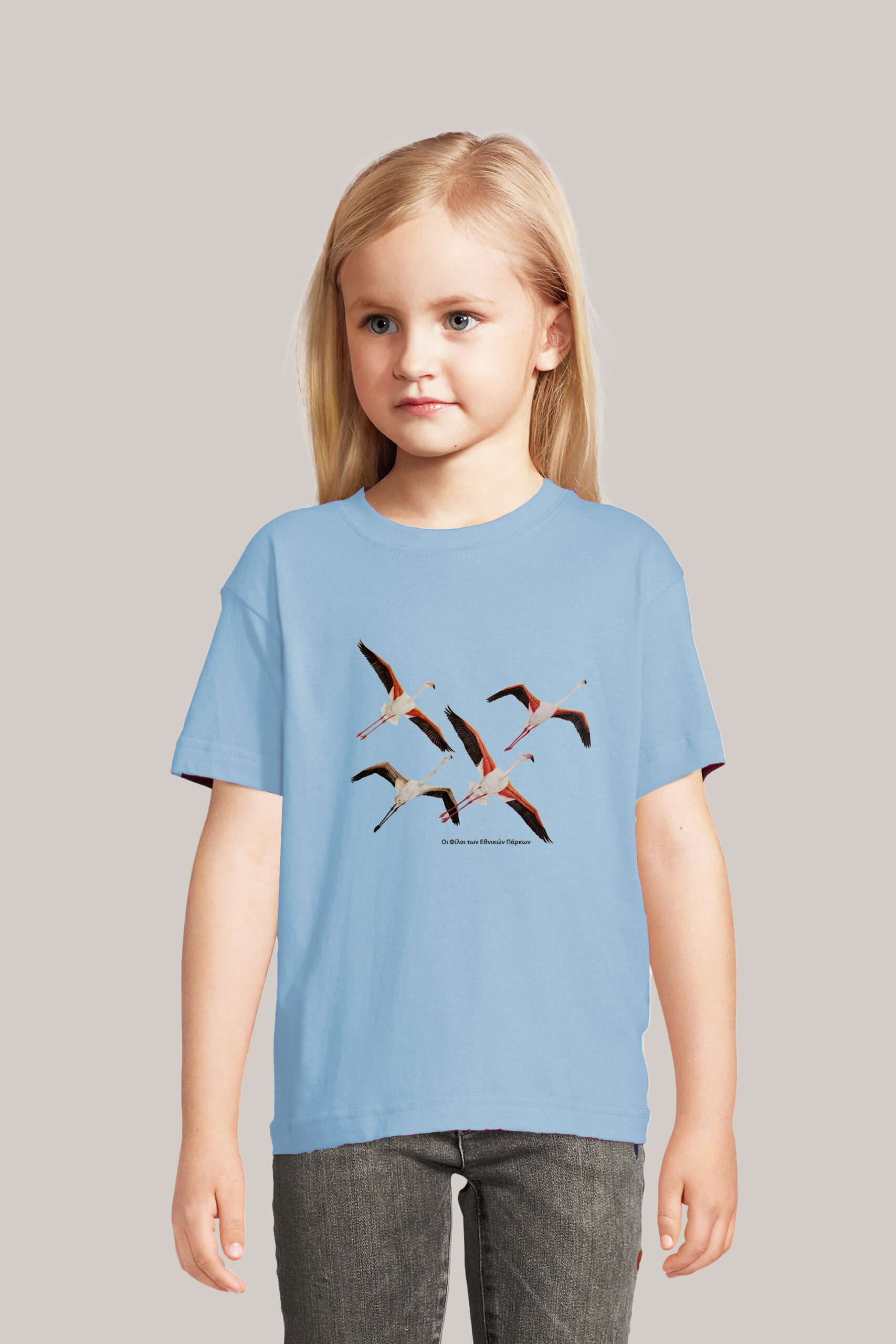
Composition: pre-shrunk, ring-spun 100% cotton
Fabric: light weight 145 g/m2 (B&C #E150 T-Shirt/kids)
| Colour | γαλάζιο |
|---|---|
| Size | 3-4, 5-6, 7-8, 9-11, 12-13 |
The flamingo is a waterbird that lives in shallow coastal wetlands: coastal lagoons, salt marshes, river estuaries, and both saltwater and freshwater lakes.
Of the six species of flamingos found worldwide, only one lives in Europe: The European flamingo (Phoenicopterus roseus). In Greece, it occurs in significant numbers, mainly during the winter months, in certain coastal wetlands of Thrace and Macedonia, the Gulf of Kalloni on Lesbos, Lemnos, Corfu, Kos, and Samos.
Juveniles are gray or white, while adults have pink plumage resulting from the pigments found in their diet.
The flamingo feeds on aquatic invertebrates (shrimp, mollusks, insects, and insect larvae), algae, and seeds from aquatic plants.
Its feeding method is unique: it uses its beak as a pump and filter to capture its food. While in most birds the upper part of the beak is larger and fixed, and the lower jaw moves, in the flamingo the opposite is true: the upper part of the beak is small and not firmly attached to the head, while the lower part is much larger. When the flamingo wants to eat, it submerges its head in the water until its beak is turned backward—that is, toward its feet. With its head turned upside down like this, the flamingo rapidly opens and closes its beak while simultaneously moving its tongue quickly, like the piston of a pump, thus sucking up water and directing it toward the opening of its beak. In addition, by jerking its head upward every so often, the flamingo creates vertical vortices that resemble small whirlwinds and trap agile prey (such as shrimp), pushing it toward its beak. Inside the beak, the water is filtered through thousands of microscopic lamellae that trap food particles before the water is finally expelled through the nostrils. In this posture, the flamingo either moves slowly, swaying its head from side to side, thus sweeping the surface of the bottom, or sometimes moves forward quickly, creating new spiral vortices behind its beak. At other times, the flamingo uses its feet to paddle along the seabed, creating different, horizontal eddies, which also serve as traps for its prey.
Chicks do not have the specialized beak of adults that allows them to filter water—in fact, at the beginning of their lives, their beaks are straight. Until they are 2–3 months old, they depend on their parents, who feed them “prolobe milk”: a red or dark pink liquid produced by both parents in their esophagus (crop), under the influence of the hormone prolactin (the same hormone that stimulates milk production in humans) and then drip it into the chick’s mouth.
Since flamingos swallow very salty water as they filter their food, they have special glands above their eyes that remove salt from their bloodstream and excrete it as a highly concentrated fluid through their nostrils.
Flamingoes are social animals and live in large flocks (“colonies”). Their reproduction is “synchronized,” meaning it occurs simultaneously for all pairs within a flock. This behavior is also known as “social facilitation”: Seeing and hearing many of their peers performing the mating dance or preparing the nest triggers the secretion of the necessary reproductive hormones in the other birds as well, creating a “hormonal domino effect.” This phenomenon was formerly known in ornithology as the Darling Effect and ensures that the entire colony lays eggs and hatches chicks within a limited time frame, providing an advantage over predators that do not have time to take advantage of so much prey.
In species such as flamingos, a minimum “critical mass” of individuals is therefore required for nesting to begin: isolated pairs or small groups do not reproduce at all. This is likely the reason why flamingos have not yet successfully bred in our country, aside from a few tentative attempts.
The now-extinct North American passenger pigeon—once the most numerous bird on Earth—exhibited similar reproductive behavior. After the original flocks of hundreds of millions of individuals were fragmented due to relentless hunting, the smaller remaining groups ceased to reproduce and were quickly driven to extinction.
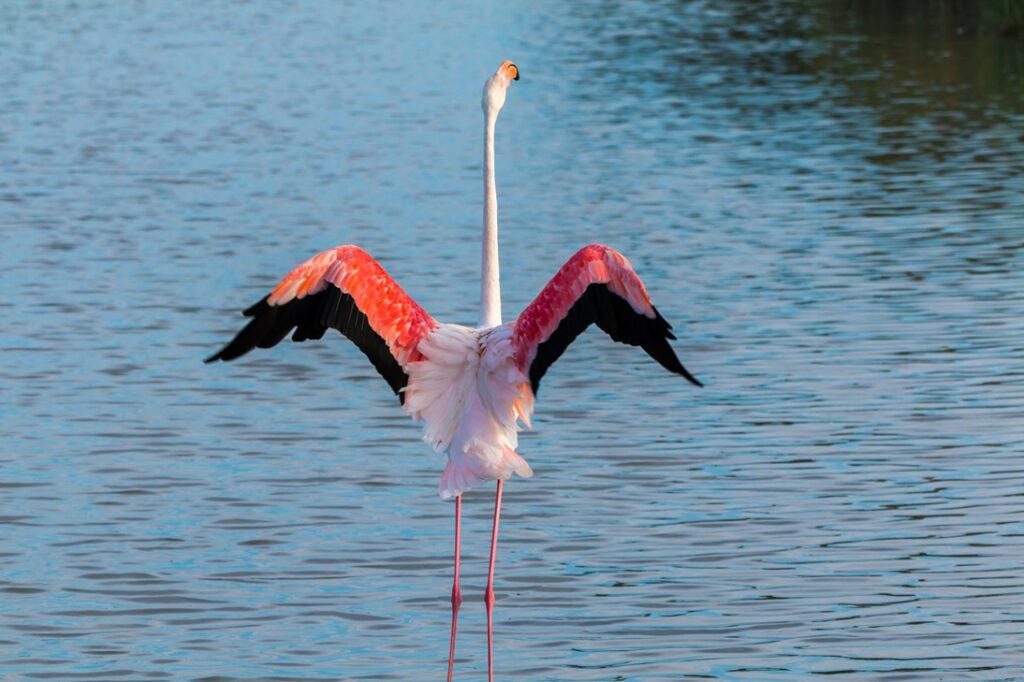
Εικόνα από: Pixabay/Felix
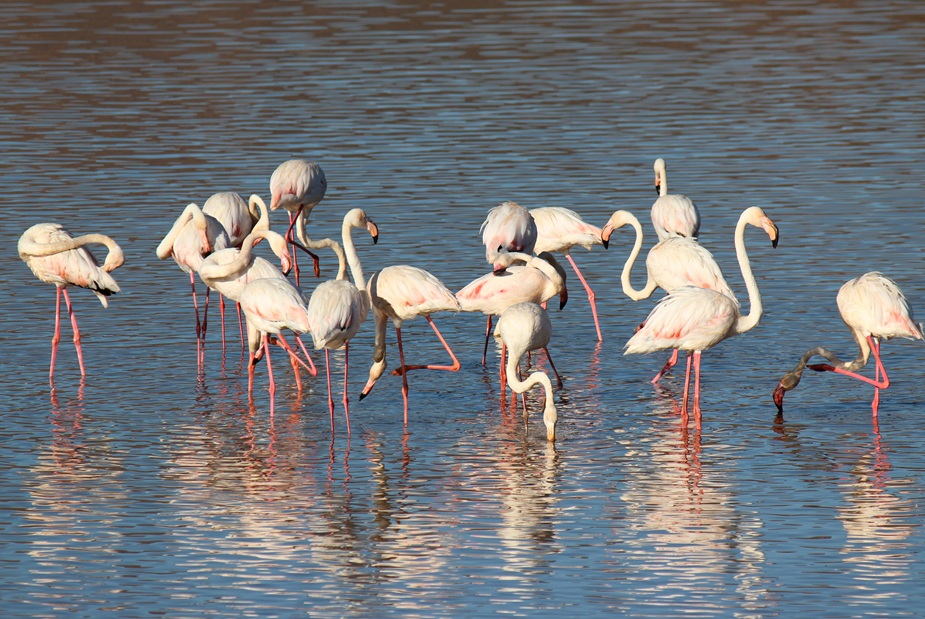
Εικόνα από: Pixabay/Ria
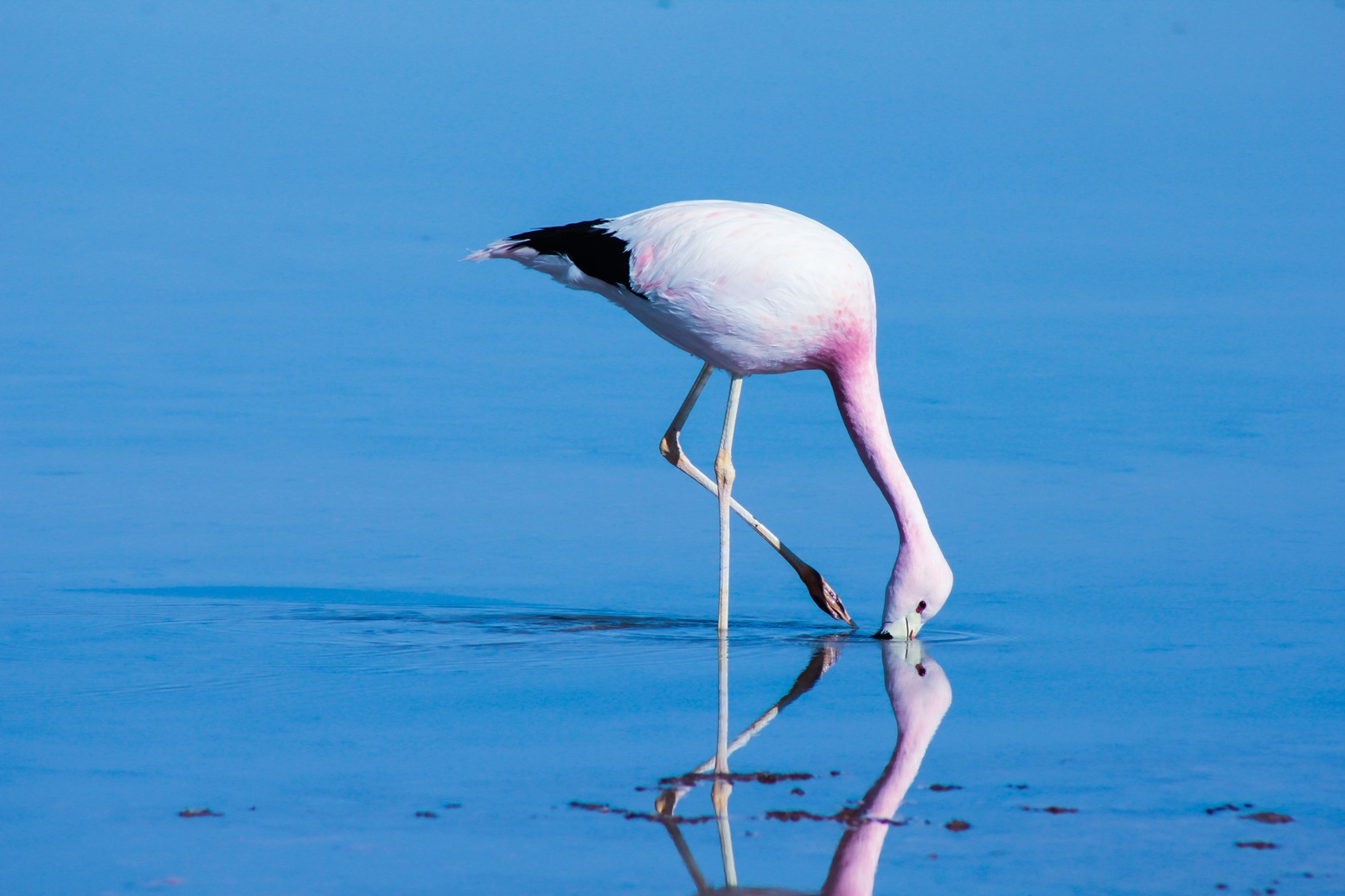
Εικόνα από: Pixabay / André Alcalay
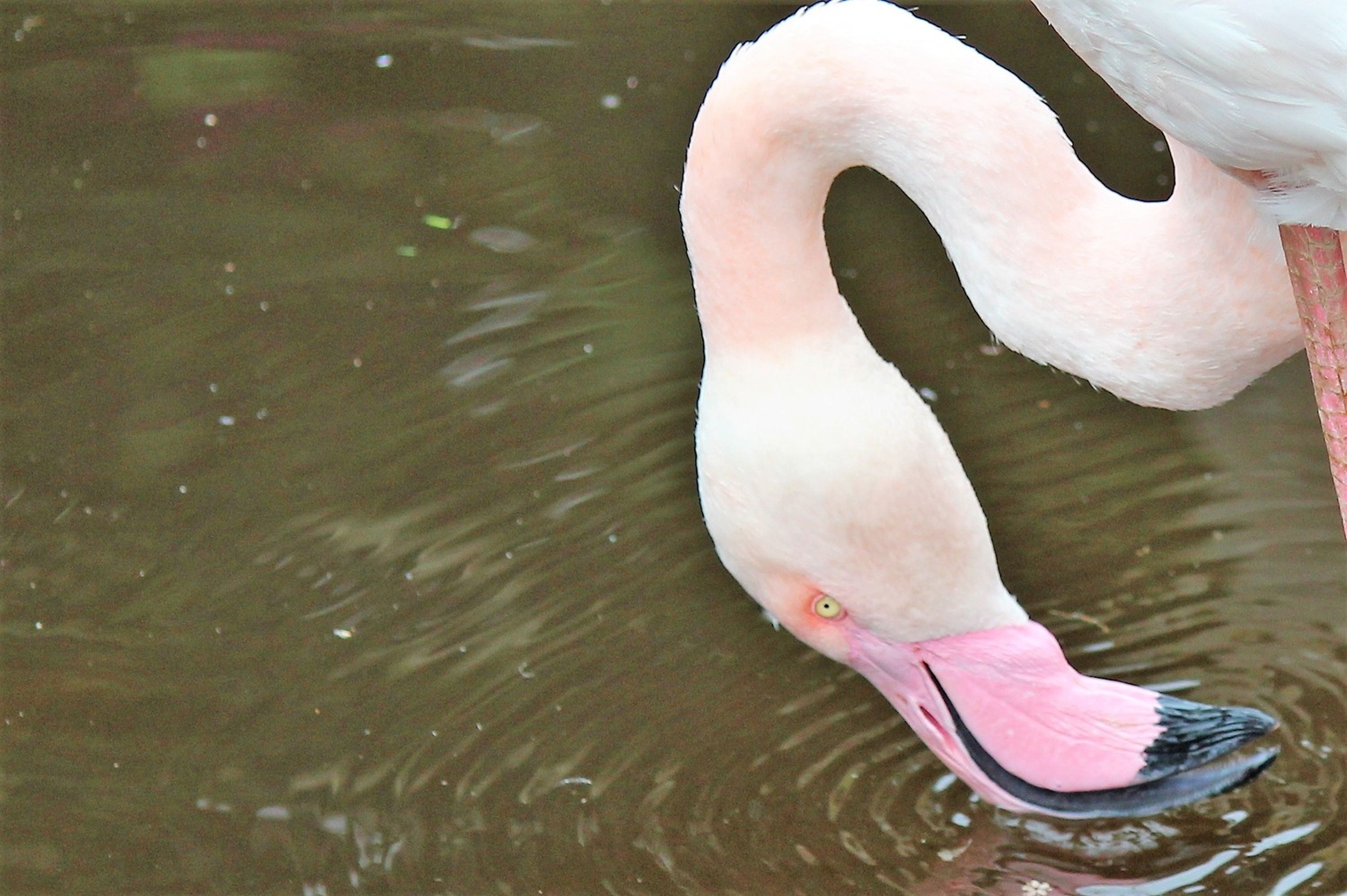
Εικόνα από: Pixabay / Ria
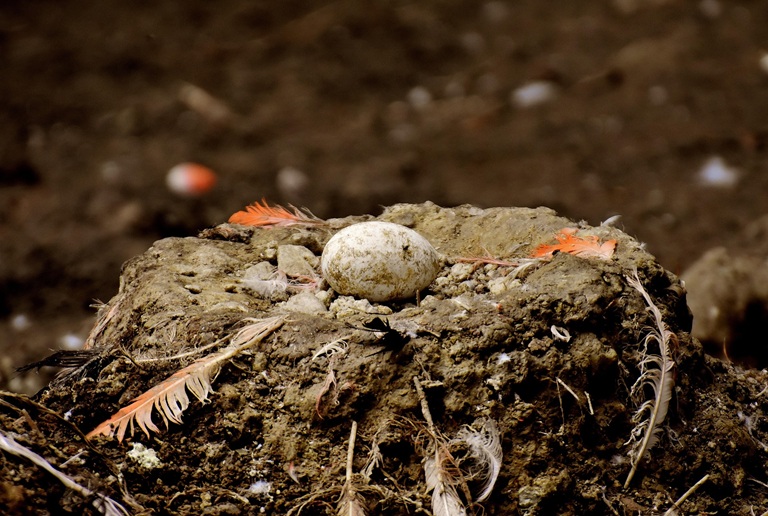
Εικόνα από: Pixabay / Alexa
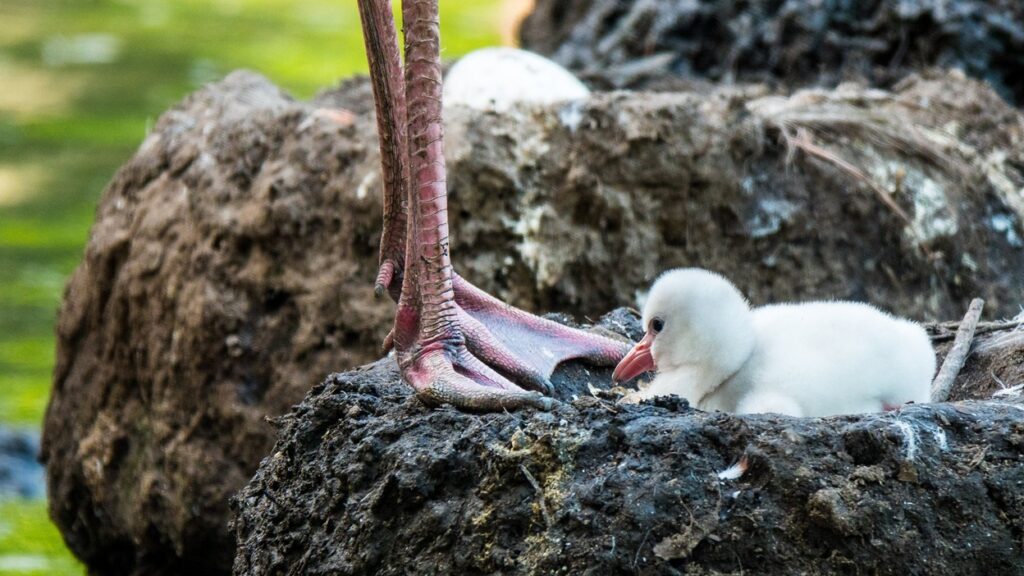
Εικόνα από: Pixabay / Steffen Wachsmuth
| ΦΥΤΟΠΡΟΣΤΑΤΕΥΤΙΚΕΣ ΟΥΣΙΕΣ ΠΟΥ ΚΥΚΛΟΦΟΡΗΣΑΝ ΣΤΗΝ Ε.Ε. ΚΑΙ ΑΡΓΟΤΕΡΑ ΑΠΑΓΟΡΕΥΘΗΚΑΝ (Ο ΚΑΤΑΛΟΓΟΣ ΕΙΝΑΙ ΕΝΔΕΙΚΤΙΚΟΣ ΚΑΙ ΟΧΙ ΕΞΑΝΤΛΗΤΙΚΟΣ) | ||||
|---|---|---|---|---|
| ΔΡΑΣΤΙΚΗ ΟΥΣΙΑ | ||||
| ΕΝΤΟΜΟΚΤΟΝΑ | ||||
| Chlorpyrifos | Εντομοκτόνο | ~2005 | 2019–2020 | Νευροτοξικό, επηρέαζει την ανάπτυξη |
| Chlorpyrifos-methyl | Εντομοκτόνο | ~2005 | 2019–2020 | Νευροτοξικό |
| Imidacloprid | Εντομοκτόνο | δεκαετία 2000 | 2018 | Τοξικό για τις μέλισσες |
| Thiamethoxam | Εντομοκτόνο | δεκαετία 2000 | 2018 | Τοξικό για τις μέλισσες |
| Clothianidin | Εντομοκτόνο | δεκαετία 2000 | 2018 | Τοξικό για τις μέλισσες |
| Fipronil | Εντομοκτόνο | δεκαετία 2000 | 2013–2017 περιορισμοί | Τοξικό για τις μέλισσες |
| Dimethoate | Εντομοκτόνο | προ του2000 | 2019–2020 | Τοξικό για τους ανθρώπους |
| Diazinon | Εντομοκτόνο | προ του 2000 | 2007 | Νευροτοξικό |
| Malathion | Εντομοκτόνο | προ του 2000 | αυστηροί περιορισμοί | Ύποπτο καρκινογένεσης |
| Bifenthrin | Εντομοκτόνο | δεκαετία 2000 | δεν εγκρίθηκε | Τοξικό για τους υδρόβιους οργανισμούς |
| Cypermethrin (certain uses) | Εντομοκτόνο | δεκαετία 2000 | αποσύρθηκε μερικώς | Οικοτοξικό |
| Lambda-cyhalothrin (restrictions) | Εντομοκτόνο | δεκαετία 2000 | περιορισμοί | Τοξικό για τους υδρόβιους οργανισμούς |
| Parathion | Εντομοκτόνο | δεκαετίες 1950–1970 (προ της Ε.Ε.) | ~2001 (δεν περιλήφθηκε στην Οδηγία 91/414/EEC) | Νευροτοξικό (παρεμποδιστής AChE), πολύ τοξικό για τους ανθρώπους |
| Fenthion | Εντομοκτόνο | δεκαετίες 1960–1980 | δεκαετίες 2000–2010 (δεν ανανεώθηκε η έγκριση) | Τοξικό για τα πουλιά, νευροτοξικό, οικοτοξικό |
| Triflumuron | Εντομοκτόνο | αρχές δεκαετίας 2000 | 2012 | Εμμένων ρυπαντής |
| ΖΙΖΑΝΙΟΚΤΟΝΑ | ||||
| Atrazine | Ζιζανιοκτόνο | προ του 1990 | 2004 | Ρύπανση υπόγειων υδάτων |
| Simazine | Ζιζανιοκτόνο | προ του 1990 | 2004 | Εμμένων ρυπαντής, ρύπανση νερών |
| Paraquat | Ζιζανιοκτόνο | προ του 1990 | 2007 | Πολύ τοξικό για τους ανθρώπους |
| Linuron | Ζιζανιοκτόνο | δεκαετία 2000 | 2016–2017 | Ενδοκρινικός διαταράκτης |
| Acetochlor | Ζιζανιοκτόνο | δεκαετία 1990 | ~2012 | Τοξικό για το περιβάλλον |
| Alachlor | Ζιζανιοκτόνο | προ του 2000 | 2006–2007 | Καρκινογόνο |
| Metolachlor (racemic) | Ζιζανιοκτόνο | προ του 2000 | αντικαταστάθηκε/αποσύρθηκε | Τοξικό |
| S-metolachlor | Ζιζανιοκτόνο | 2005 | 2023–2024 | Ρύπανση υπόγειων υδάτων |
| Cyanazine | Ζιζανιοκτόνο | προ του 2000 | αρχές δεκαετίας 2000 | Τοξικό |
| Propachlor | Ζιζανιοκτόνο | προ του 2000 | αρχές δεκαετίας 2000 | Καρκινογόνο |
| Trifluralin | Ζιζανιοκτόνο | δεκαετία 2000 | 2008 | Εμμένων ρυπαντής, βιοσυσσώρευση |
| Flurtamone | Ζιζανιοκτόνο | 2003 | 2017 | Ρύπανση υπογείων υδάτων, εμμένων ρυπαντής |
| Tritosulfuron | Ζιζανιοκτόνο | ~2002 | 2016 | Εμμένων ρυπαντής |
| ΜΥΚΗΤΟΚΤΟΝΑ | ||||
| Carbendazim | Μυκητοκτόνο | προ του 2000 | 2014 | Τοξικό για την αναπαραγωγή |
| Benomyl | Μυκητοκτόνο | προ του 2000 | αρχές δεκαετίας 2000 | Τοξικό για την αναπαραγωγή |
| Iprodione | Μυκητοκτόνο | δεκαετία 2000 | 2017–2018 | Καρκινογόνο |
| Procymidone | Μυκητοκτόνο | δεκαετία 2000 | 2018 | Ενδοκρινικός διαταράκτης |
| Vinclozolin | Μυκητοκτόνο | προ του 2000 | 2006 | Ενδοκρινικός διαταράκτης |
| Epoxiconazole | Μυκητοκτόνο | δεκαετία 2000 | 2020 | Ενδοκρινικός διαταράκτης |
| Flutriafol | Μυκητοκτόνο | δεκαετία 2000 | ~2024 | Τοξικό |
| Chlorothalonil | Μυκητοκτόνο | δεκαετία 2000 | 2019 | Καρκινογόνο, ρύπανση υπόγειων νερών |
| Mancozeb | Μυκητοκτόνο | δεκαετία 2000 | 2020 | Ενδοκρινικός διαταράκτης |
| Thiram | Μυκητοκτόνο | δεκαετία 2000 | 2018 | Τοξικό για την άγρια ζωή |
| Fluazinam | Μυκητοκτόνο | 2001 | 2020-2021 | Εμμένων ρυπαντής, οικοτοξικό |
| Flutolanil | Μυκητοκτόνο | 2008 | η ημερομηνία απόσυρσής του έχει λάβει παρατάσεις | Μεταβολίζεται σε TFA που αποτελεί εμμένοντα ρυπαντή |
| ΑΛΛΑ/ ΜΙΚΤΗ ΧΡΗΣΗ (ΕΝΤΟΜΟΚΤΟΝΑ-ΜΥΚΗΤΟΚΤΟΝΑ-ΕΙΔΙΚΕΣ ΧΡΗΣΕΙΣ) | ||||
| Endosulfan | Εντομοκτόνο | προ του 2000 | 2005–2006 | Εμμένων ρυπαντής |
| Aldicarb | Εντομοκτόνο | προ του 2000 | 2003 | Πολύ τοξικό |
| Carbofuran | Εντομοκτόνο | προ του 2000 | 2007–2008 | Πολύ τοξικό |
| Methamidophos | Εντομοκτόνο | προ του 2000 | 2007 | Νευροτοξικό |
| Monocrotophos | Εντομοκτόνο | προ του 2000 | αρχές δεκαετίας 2000 | Πολύ τοξικό |
| DDT | Εντομοκτόνο | προ της Ε.Ε. | προ της Ε.Ε. | Εμμένων ρυπαντής |
| Lindane | Εντομοκτόνο | προ του 2000 | 2008 | Εμμένων ρυπαντής, βιοσυσσώρευση |
| Pentachlorophenol | Μυκητοκτόνο | προ του 2000 | 2003 | Καρκινογόνο |
| Hexachlorobenzene | Μυκητοκτόνο | προ της Ε.Ε. | προ της Ε.Ε. | Εμμένων ρυπαντής |
abamectin, aclonifen, bentazone, difenoconazole, diflufenican, epoxiconazole, flutriafol, flufenacet, metazachlor, pendimethalin, lambda-cyhalothrin, tau-fluvalinate, ενώσεις χαλκού